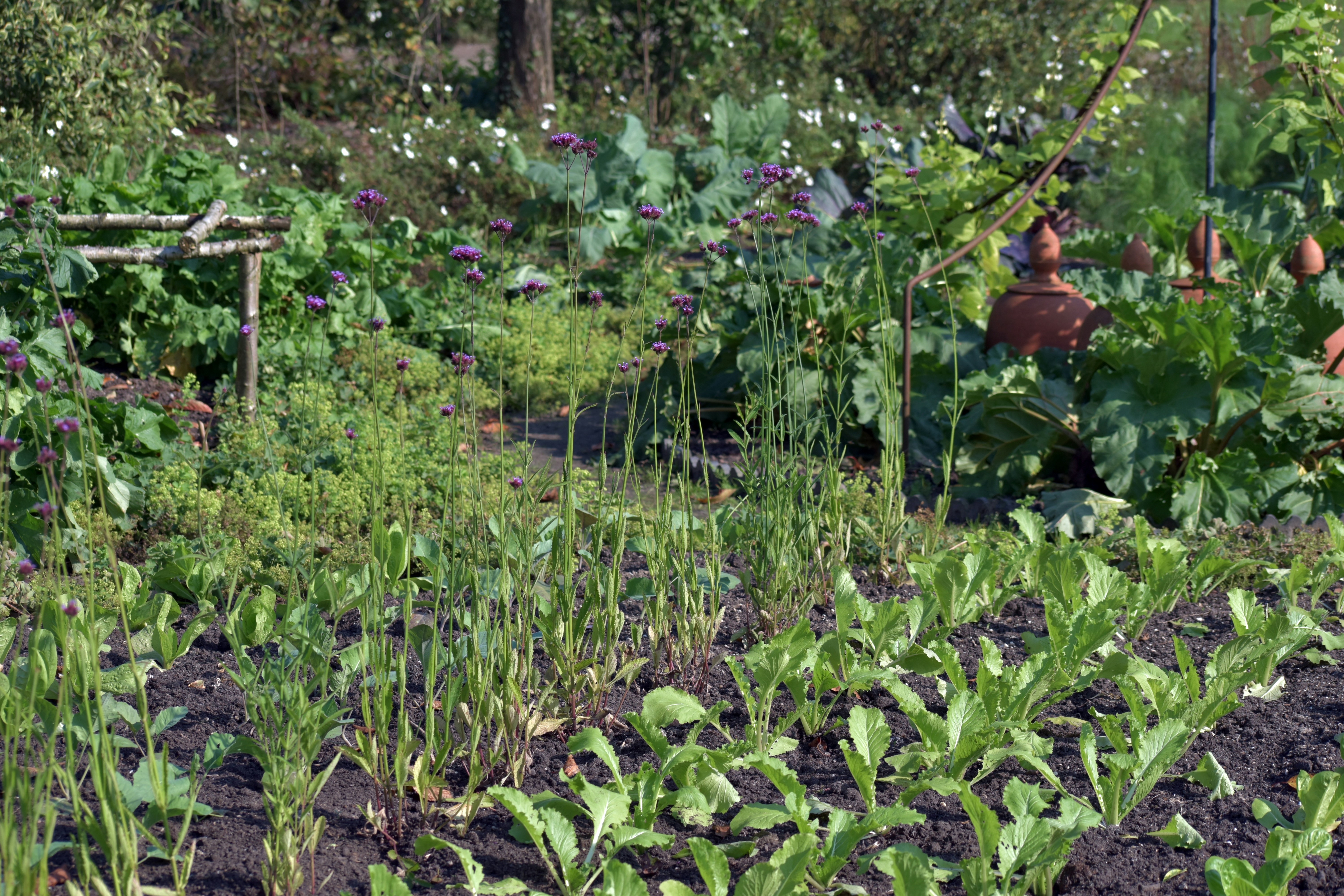
The last harvest weekend has a particular smell: cold air, damp soil, tomato vines gone soft at the edges, and a basket that fills slower than it did in August. The beans are done. The squash vines have collapsed into themselves. A few kale plants still stand upright, unbothered by the first light frost, and the herbs by the back door are hanging on out of habit.
This is the weekend to put the garden to bed — not stripped bare, and not left to rot under dead stems. Done well, one focused weekend leaves beds protected, soil fed, tools clean, and spring planting noticeably easier.
The plan below follows one weekend, start to finish: harvest, clear, feed the soil, protect what stays, and put the tools away clean. If rain is coming, cover soil first and clean tools indoors.
Saturday Morning: Harvest, Then Walk the Beds
Start with a basket, not a wheelbarrow. Pick everything worth eating: the last tomatoes that have any colour at all, peppers that will finish ripening on a windowsill, winter squash with hard rinds, root vegetables that have sized up, and herbs for drying or freezing. Green tomatoes left on dead vines will not improve. Pull them now, wrap the best ones in newspaper, and let them ripen indoors over the coming weeks.Then walk every bed slowly with a notebook. Note what grew well, what struggled, and where disease showed up. Mark a diseased bed — stake, tag, or note — so its debris goes in the trash, never the compost pile, where home compost rarely gets hot enough to kill disease.
This walk also settles the season's biggest question: what comes out, and what stays. The table below is the short version, but the principle is simple. Remove what is dead, diseased, or finished. Leave what feeds the soil, shelters wildlife, or still has a job to do over winter.
Saturday Afternoon: Clear in the Right Order
Work one bed at a time, and finish each bed before starting the next. Half-cleared beds are how gardens stay messy all winter.First, pull spent annuals by the roots. Tomato, pepper, bean, and squash plants that are finished come out whole, roots and all, so overwintering pests lose their shelter. Shake loose soil back into the bed. Healthy debris goes to the compost pile; diseased or pest-ridden material goes in the trash.
Second, cut back perennials that have turned to mush. Hostas, daylilies, and other soft perennials that collapse into a slimy layer can be cut to a few inches above the ground. Leave the sturdy ones standing. Ornamental grasses, coneflowers, and sedum hold their shape through winter, catch snow for insulation, and give birds seed to eat. Cutting everything to the ground looks tidy in October and leaves the garden bare and exposed in January.
Third, deal with the leaves. Shredded leaves, run over once or twice with a mower, make excellent mulch and break down far faster than whole leaves, which mat into a soggy, soil-smothering layer. Spread them over beds and around perennials, keeping mulch a few inches from stems so damp mulch does not rot bark.
What to Pull, What to Leave
| Pull now | Leave standing or in place || Spent tomato, pepper, squash, and bean plants | Kale, chard, and other hardy greens still producing |
| Diseased or pest-damaged foliage of any kind | Ornamental grasses, coneflowers, and sedum for winter interest and bird seed |
| Annual flowers that have blackened after frost | Perennial crowns, mulched but not buried |
| Weeds, roots and all, before they set seed | Garlic and overwintering onions already planted |
| Rotted fruit and fallen vegetables on the soil surface | A light layer of shredded leaves as mulch |
Sunday Morning: Feed the Soil While It Is Still Workable
Soil left bare over winter loses structure to rain, wind, and freeze-thaw cycles. Soil that is fed and covered holds together, and spring planting starts weeks ahead.Spread a layer of finished compost over empty beds — an inch or two, raked level, is plenty — and let worms and weather work it in over winter. There is no need to dig it deep. Top-dressing now, rather than turning the bed over, keeps soil life intact and avoids bringing weed seeds to the surface.
Then sow a cover crop where the bed will sit empty until spring. Clover and vetch add nitrogen, suiting beds headed for heavy feeders like squash or corn; rye builds organic matter and smothers weeds. Sow thickly, rake lightly, and water if dry. In mild climates the cover establishes before hard frost; in colder regions, even a thin stand shelters the soil as it breaks down.
Finish the morning by planting garlic if it is not in yet, and by tucking a thick mulch of straw around strawberries, newly planted perennials, and any borderline-hardy plants. Mulch after the ground has cooled, not before — mulch laid down too early insulates warm soil and invites rodents to nest. The goal is a steady blanket once cold arrives, not a warm hiding place in a mild spell.
Sunday Afternoon: Protect Perennials and Put Tools Away
Most established perennials survive winter fine once roots are mulched and crowns are not sitting in standing water. New plantings and tender plants at the edge of their hardiness range need more: a mound of shredded leaves or straw held with soil or branches. Container perennials freeze harder than garden soil, so group pots against a sheltered wall and wrap them if hard freezes are expected.Then turn to the tools, while the weekend's work is still fresh in your hands. This is the step most often skipped, and the one spring-you will be grateful for.
Scrape soil off spades, forks, and hoes, wash them in soapy water, and dry them thoroughly before wiping metal parts with a light coat of oil. Sharpen blades now, sand splintered handles and rub in linseed oil, drain hoses fully and store them where they will not freeze and split, and clean and stack seed trays dry.
October Into November: The Short Task List
One weekend does the heavy work. The weeks after it are for small jobs, done as weather allows:- Late October: finish planting garlic and spring bulbs, sow cover crops in any bed still bare, and take a final cut of herbs for drying.
- Early November: after the first hard frosts, mulch perennials and strawberries, wrap tender shrubs if your climate demands it, and drain outdoor taps and irrigation lines.
- Mid-November: rake the last heavy leaf fall onto beds or into the compost pile, clean and store the mower, and check stored tools once — dry, oiled, and off a damp floor.
- Late November: walk the garden one last time. Note what to order, what to move, and what to stop growing. Write it down. February memory is unreliable.
#FallGarden #GardenCleanup #WinterGardenPrep #Homesteading #VegetableGarden #CoverCrops #GardenTools #Perennials #SeasonalGardening #GrowYourOwnFood